
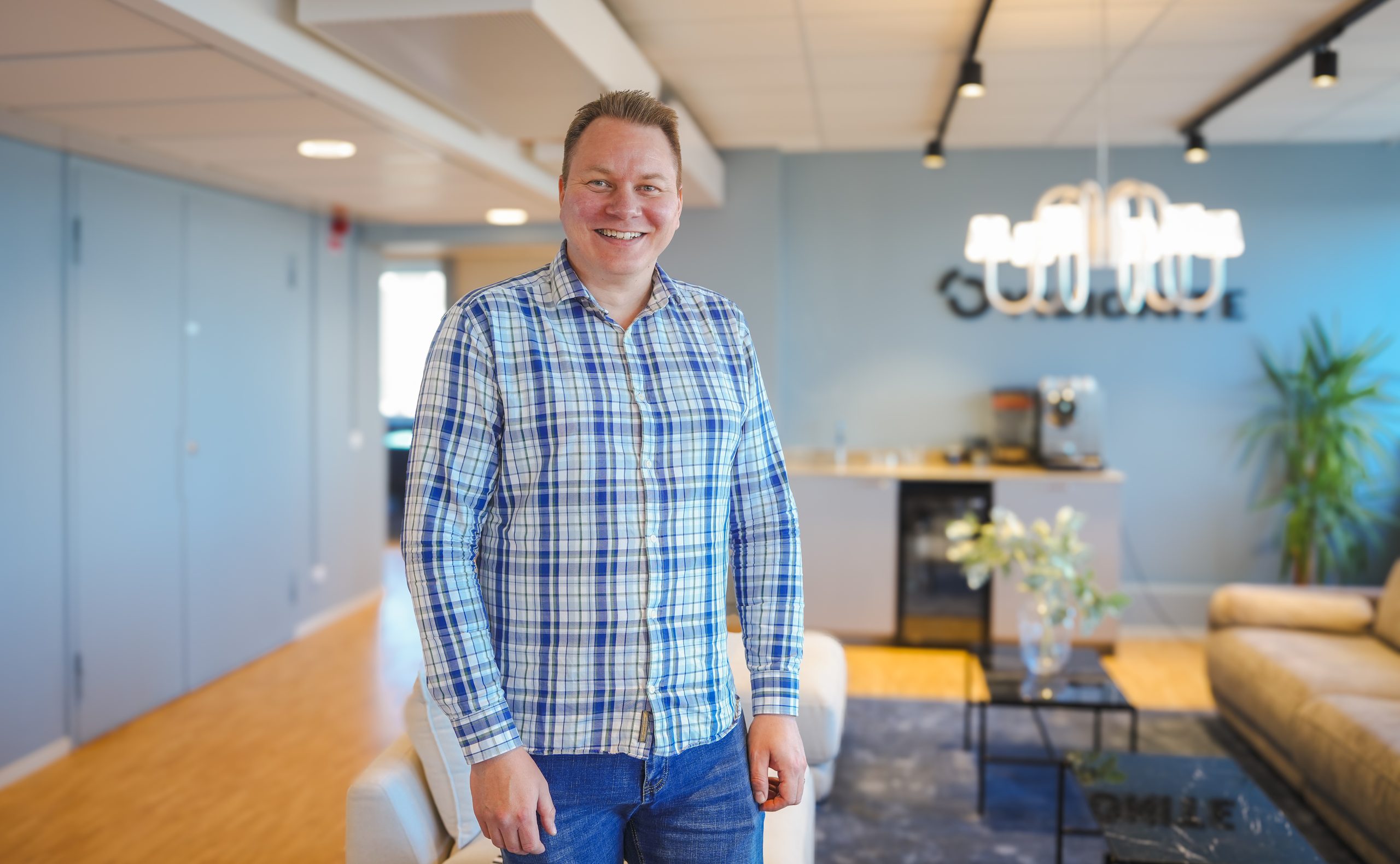
AI has made producing code cheaper than ever. But according to Magnus Rossander, Senior Software Architect and Developer at Visionite Stockholm, an entirely different skill will determine who benefits most from this shift. And it has nothing to do with speed.
That is how Magnus sums up the transformation he has witnessed firsthand. With 18 years of industry experience, spanning Ericsson and 4G/5G systems to cybersecurity, cloud and mission-critical systems, he has seen the industry evolve from several different perspectives. Here, he shares how AI is reshaping the role of software developers and why context is becoming the new scarce resource.
What do you enjoy most about your job?
Problem-solving. I enjoy being presented with a challenge where the solution isn’t obvious from the outset. Understanding the organisation’s needs, figuring out why a problem exists and then finding a solution that works technically today and remains sustainable in the long term. I particularly enjoy working with the bigger picture. My background spans software development, architecture, DevOps and infrastructure, and I thrive when I can move between these different areas, from understanding a business need and defining requirements to designing an architecture and making sure the solution works in production.
In IT, it’s easy to start with the tool: deciding that the solution should be Kubernetes, a particular cloud service or a specific programming language. I find it much more interesting to start with the problem and then choose the tools that best address it. That’s probably one of the reasons I enjoy working in IT so much. Technology is constantly evolving, and there’s always something new to learn. What was the best solution a few years ago might not be the right one today.
AI takes this even further. I don’t see AI as just another technology to learn, but as a new tool that changes which problems we can solve and how we approach them.
What do you think has changed the most in IT over the past year?
AI has gone from being a standalone tool to becoming part of the development process itself. That’s a much bigger shift than simply having a better autocomplete.
I’ve been in the IT industry for over 18 years and have witnessed several major technological shifts. Cloud changed where our systems run, containers and Kubernetes changed how we package and deploy them, and DevOps and CI/CD changed how we deliver software. But for the most part, people were still writing the software themselves. That’s where AI is different. We’re now automating parts of the knowledge work that goes into software development itself.
We’re moving from a model where developers write every line of code themselves to one where we increasingly describe the problem, provide the right context and constraints, let AI suggest or implement a solution, and then review and refine the result. Being able to produce code quickly in a specific programming language is no longer the same competitive advantage it once was. Instead, the value is shifting towards understanding problems, defining requirements, designing architectures and being able to judge whether what AI produces is actually a good solution.
“Code is becoming cheaper to produce. Understanding, judgment and accountability are becoming all the more important.”
How do you see organisations using AI today, and what are many of them missing?
Many people still use AI on an individual basis. One person uses ChatGPT, another uses an AI assistant in their IDE. This brings productivity gains, but the real potential lies in making AI part of the organisation’s processes and platforms.
So the question isn’t just which AI tools developers should be allowed to use, but how the way we develop systems should change when AI is available throughout the entire process. I think this is where many organisations are missing the next step. They’re adding AI on top of existing ways of working instead of considering how those ways of working should evolve.
One technical challenge I think is often underestimated is context. An AI model doesn’t automatically become better simply because we feed it more information. It’s about providing the right information at the right time. The quality of the context we give AI is therefore critical to the quality of the results. And if AI makes code cheap to produce, the bottleneck shifts from production to verification.
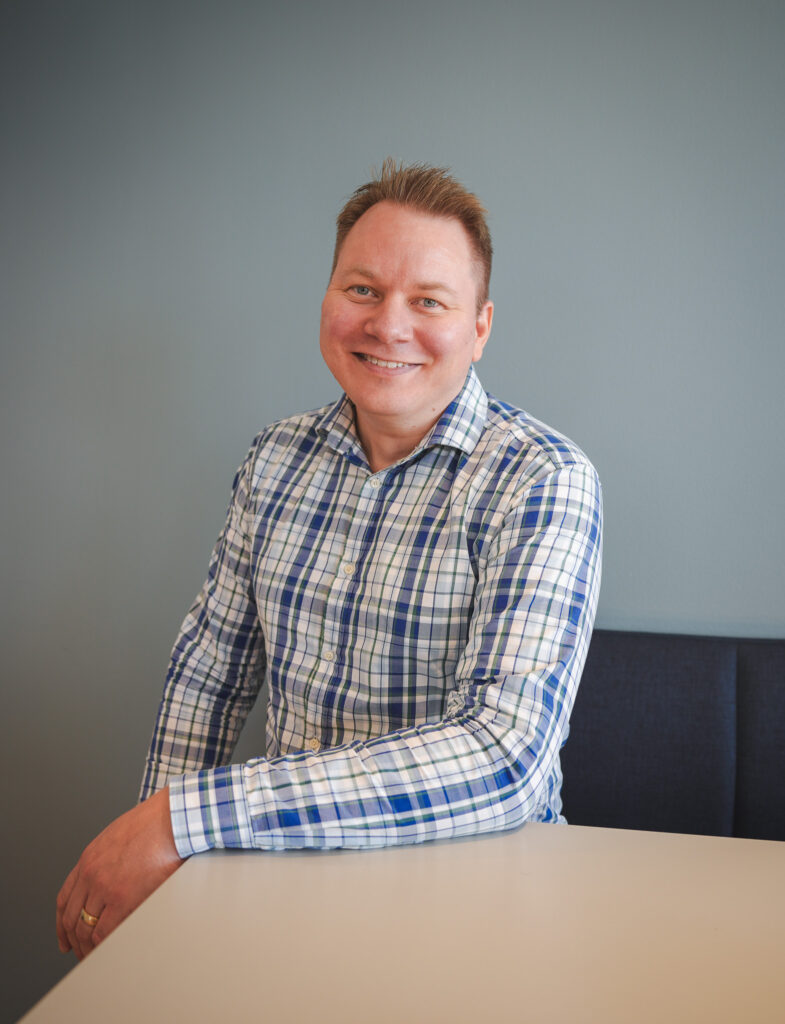
“The question is no longer just whether we can build it, but how we know that what AI has built is actually correct, secure and maintainable.”
How do you think the IT industry will change over the coming years?
Above all, I think we’ll see a shift in how we define the role of a software developer. Historically, much of the value has come from the ability to turn a specification into code. AI can already take on an increasing share of that work, and the pace of development is rapid. That doesn’t mean developers will disappear. It means the value is shifting towards understanding the business, defining problems, providing AI with the right context and taking responsibility for the bigger picture. Being able to determine what needs to be built and whether the end result is actually good will become more important than writing every line of code yourself.
I therefore think the term programmer will gradually become less relevant. Code will be one of several tools a developer uses, rather than what defines the profession.
If AI takes over many of the simpler tasks that junior developers have traditionally learned the trade through, an important question arises, one the industry needs to start discussing more: how do we develop the next generation of senior developers and software architects? I believe this will become a key challenge when it comes to skills and talent in the years ahead.
Contact:
Lovisa From, Head of Marketing, Visionite
lovisa.from@visionite.se
www.visionite.se
Visionite is an IT consulting company with a strong presence in Sweden and a growing team in Helsinki, Finland. We bring together experienced IT specialists and exciting opportunities, with a strong focus on kindness, trust and work-life balance. Our ambition is to create a workplace where people feel valued, supported and encouraged to grow, both professionally and personally. With people at the heart of everything we do, we help our clients find the right expertise while building a culture where everyone can thrive.
Go back